
The holiday season is often associated with joy, celebration, family gatherings, and meaningful traditions. However, for many individuals and families, this time of year can also bring increased stress, anxiety, emotional exhaustion, and complicated expectations.
Between busy schedules, financial responsibilities, family obligations, and the pressure to create memorable experiences, it's easy to feel overwhelmed.
For others, the holidays may bring unresolved family tensions, difficult childhood memories, grief, or feelings of loneliness.
At PsycHealth Services, we believe protecting your mental health during the holidays is just as important as celebrating the season. Learning to recognize emotional triggers, establish healthy boundaries, and manage expectations can help you navigate this time of year with greater confidence and emotional balance.
Holiday stress is not always about having too much to do. Sometimes, it's connected to the expectations, relationships, and emotional experiences surrounding the season.
Common holiday stressors include:
Even positive events can become exhausting when there is little time for rest and emotional recovery.
Recognizing what contributes to your stress is an important first step toward creating a healthier holiday experience.
According to a 2023 survey from the American Psychological Association:
89% of U.S. adults reported feeling stressed during the holiday season.
41% said their stress increased during the holidays compared with other times of the year.
Financial concerns, finding the right gifts, and missing loved ones were among the reported sources of holiday stress.
These findings remind us that holiday stress is common and that many people experience a mixture of positive and difficult emotions during this time of year.
The goal is not to eliminate every stressful situation, but to develop healthier ways to manage expectations and protect emotional well-being.
Source: American Psychological Association – Holiday Stress Survey.
One of the most important ways to protect your mental health is learning to establish and communicate healthy boundaries.
Boundaries help define what you are comfortable with, what you need, and how you choose to participate in relationships and activities.
They are not about controlling other people's behavior. They are about recognizing your own limits and communicating them respectfully.
Healthy holiday boundaries might include:
Setting boundaries may initially feel uncomfortable, especially for individuals who have spent years prioritizing others' expectations.
However, learning to communicate your limits can support healthier relationships and reduce emotional exhaustion.
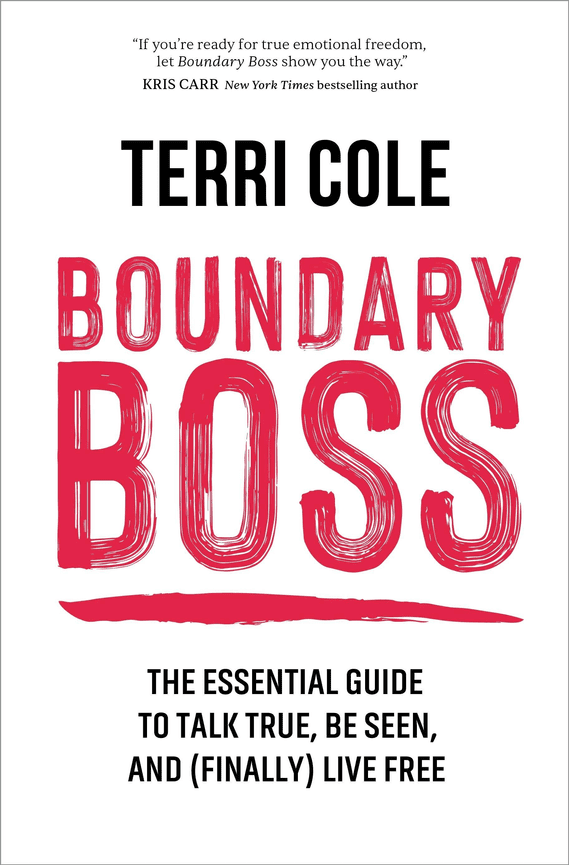
In Boundary Boss: The Essential Guide to Talk True, Be Seen, and (Finally) Live Free, psychotherapist Terri Cole explores the importance of recognizing personal needs, communicating boundaries, and addressing patterns that can contribute to overextending ourselves.
The book encourages readers to reflect on how they communicate their needs and why saying no can sometimes feel uncomfortable.
These ideas are particularly relevant during the holiday season, when family obligations and social expectations may create additional emotional pressure.
Learn more through Terri Cole's official website.
Books can be valuable resources for reflection and education, but therapy can provide individualized guidance for navigating complex relationships and emotional challenges.
Small, intentional changes can make a meaningful difference in how you experience the holiday season.
Pay attention to situations or interactions that consistently leave you feeling anxious, frustrated, or overwhelmed.
Recognizing these patterns can help you prepare healthier responses instead of reacting automatically.
The holidays do not have to be perfect to be meaningful.
Give yourself permission to simplify traditions, reduce commitments, and focus on experiences that genuinely matter to you and your family.
Practice expressing your needs clearly and respectfully.
Simple statements such as "We're keeping our plans smaller this year" or "I'm not comfortable discussing that topic" can help establish expectations without unnecessary conflict.
Maintaining consistent sleep, physical activity, and moments of relaxation can support emotional wellness during busy periods.
Even short breaks can help you recharge and respond more thoughtfully to stressful situations.
Spend time with people who make you feel supported, respected, and understood.
Meaningful connection does not require elaborate gatherings or expensive celebrations. Sometimes, a quiet conversation or a simple shared experience can be more fulfilling.
For individuals experiencing challenging family dynamics, holiday gatherings can feel emotionally complicated.
You may want to maintain family connections while also recognizing that certain interactions contribute to stress or anxiety.
It can help to establish expectations before gatherings, decide which conversations you're comfortable having, and plan how to take breaks when needed.
For parents, modeling healthy boundaries and emotional regulation can also help children understand that relationships involve mutual respect, communication, and consideration for others.
Remember, you can care about your family while still protecting your own emotional well-being.
If family relationships consistently create anxiety, guilt, or emotional exhaustion, therapy can help you explore those patterns and develop healthier ways to navigate them
While some holiday stress is temporary, persistent anxiety or emotional distress may indicate a need for additional support.
Consider reaching out to a mental health professional if you experience:
You do not have to wait until your mental health reaches a crisis point to seek professional guidance.
Therapy can provide a supportive environment to understand emotional triggers, improve communication, establish boundaries, and develop healthier coping strategies.
At PsycHealth Services, we understand that family relationships, holiday expectations, and emotional stress can affect individuals in different ways.
Our therapists provide compassionate, individualized support to help individuals, couples, and families navigate:
Therapy can help you better understand your emotional needs, strengthen communication skills, and develop practical strategies for managing stressful situations.
The holidays do not have to be perfect to be meaningful.
Sometimes, the most important gift you can give yourself is permission to slow down, establish healthy boundaries, and focus on what truly matters.
You can appreciate family traditions while creating new expectations. You can care about others without taking responsibility for everyone's emotions. And you can experience gratitude while still acknowledging the challenges you're facing.
Your mental health matters during the holidays and throughout the year.
If you're feeling overwhelmed by family expectations, anxiety, or difficult relationships, PsycHealth Services is here to help you navigate the season with compassion and practical guidance.
PsycHealth Services offers mental health support in Oak Brook, Illinois, and secure telehealth services throughout Illinois.
Ready to prioritize your emotional well-being?
Call (708) 990-8221 to learn more about scheduling a session.
This Thanksgiving, give yourself permission to slow down, let go of unrealistic expectations, and appreciate the moments that truly matter. 🍂
Gratitude doesn't mean everything has to be perfect.
It's about finding comfort in small moments, meaningful connections, and the people who support us along the way.
💙 Remember, you can be grateful for what you have while still acknowledging the challenges you're facing.
Be kind to yourself, set healthy boundaries, and make your emotional well-being a priority this holiday season.
Leave a comment
0 Comments