
Anxiety is more than occasional worry or nervousness. For many individuals, it can influence how they think, communicate, build relationships, and respond to everyday situations. While some anxiety is a natural response to stress or uncertainty, persistent anxiety can affect emotional well-being, confidence, and quality of life.
What many people don't realize is that anxiety can also be connected to past experiences, family dynamics, and patterns of behavior developed earlier in life.
Growing up in an environment where emotions were dismissed, expectations were unpredictable, or approval felt conditional may influence how someone responds to stress and relationships as an adult. These experiences do not determine a person's future, but they can contribute to emotional patterns worth understanding.
At PsycHealth Services, we help individuals and families in Oak Brook and throughout Illinois explore the emotional experiences, relationship patterns, and anxiety triggers that may be affecting their daily lives.
Anxiety is the body's response to perceived threats, uncertainty, or stressful situations. It can affect both emotional and physical well-being.
Common symptoms include:
An emotional trigger is a situation, interaction, or experience that brings about a strong emotional response. Triggers may be connected to current stressors, past experiences, or learned expectations.
For example, receiving criticism from a supervisor might create anxiety about job security. A disagreement with a partner may trigger fears of abandonment or rejection. A family gathering might bring back uncomfortable memories or longstanding relationship tensions.
Recognizing these patterns can help individuals understand why certain situations feel more emotionally intense than others.
According to the National Institute of Mental Health:
These findings reinforce that anxiety is common and can affect people across different ages, backgrounds, and life experiences.
Understanding anxiety and recognizing when additional support may be beneficial are important steps toward emotional wellness.
Sources: NIMH Anxiety Disorders and NIMH Social Anxiety Disorder.
Our early relationships often help shape how we understand emotions, communicate our needs, and respond to conflict.
When children grow up in supportive environments where feelings are acknowledged and boundaries are respected, they may have more opportunities to develop emotional security and healthy communication skills.
However, some individuals grow up in families where emotional needs are overlooked, conflict is unpredictable, or children feel responsible for managing the emotions of adults.
These experiences may contribute to patterns that continue into adulthood, including:
Not everyone who experiences difficult family relationships develops anxiety. However, exploring early experiences can provide insight into recurring emotional responses and relationship challenges.
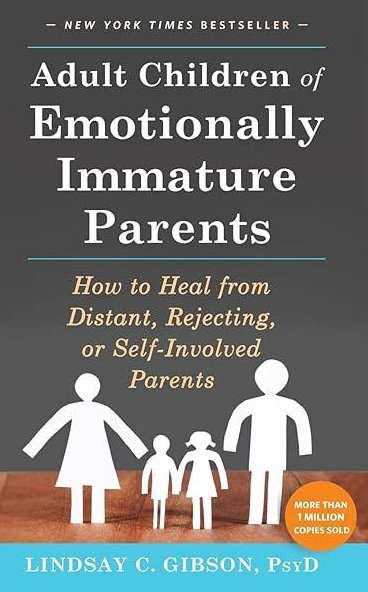
In Adult Children of Emotionally Immature Parents, psychologist Dr. Lindsay C. Gibson explores how emotionally immature parenting can affect adult relationships, emotional needs, and personal well-being.
The book encourages readers to recognize patterns of emotional unavailability and better understand how past family experiences may influence present-day relationships.
For individuals who struggle with people-pleasing, emotional disconnection, or difficulty communicating their needs, these ideas may offer a helpful starting point for self-reflection.
Learn more about Dr. Gibson's work through her official website.
Reading about family dynamics can support personal insight, but it does not replace individualized mental health care. It is also important to avoid labeling family members based solely on a book or a few difficult interactions.
Our early relationships often help shape how we understand emotions, communicate our needs, and respond to conflict.
When children grow up in supportive environments where feelings are acknowledged and boundaries are respected, they may have more opportunities to develop emotional security and healthy communication skills.
However, some individuals grow up in families where emotional needs are overlooked, conflict is unpredictable, or children feel responsible for managing the emotions of adults.
These experiences may contribute to patterns that continue into adulthood, including:
Not everyone who experiences difficult family relationships develops anxiety. However, exploring early experiences can provide insight into recurring emotional responses and relationship challenges.
In Adult Children of Emotionally Immature Parents, psychologist Dr. Lindsay C. Gibson explores how emotionally immature parenting can affect adult relationships, emotional needs, and personal well-being.
The book encourages readers to recognize patterns of emotional unavailability and better understand how past family experiences may influence present-day relationships.
For individuals who struggle with people-pleasing, emotional disconnection, or difficulty communicating their needs, these ideas may offer a helpful starting point for self-reflection.
Learn more about Dr. Gibson's work through her official website.
Reading about family dynamics can support personal insight, but it does not replace individualized mental health care. It is also important to avoid labeling family members based solely on a book or a few difficult interactions.
Anxiety can influence nearly every part of daily life, including how we interact with family members, colleagues, friends, and partners.
Parenting and Family Relationships: Parents experiencing anxiety may find themselves worrying excessively about their children's safety, future, or behavior. Family expectations and unresolved emotional patterns can also influence communication and conflict. Learning to recognize these responses can help parents model healthier coping strategies and create a more supportive family environment.
Workplace Interactions: Anxiety may contribute to perfectionism, difficulty accepting feedback, avoiding conversations, or worrying about how colleagues perceive us. Over time, these patterns can affect confidence, professional relationships, and emotional energy.
Personal Relationships: Fear of rejection, difficulty trusting others, and avoiding conflict can create misunderstandings or emotional distance. Some individuals may struggle to communicate their needs because they worry about upsetting or disappointing others.
Recognizing these patterns can create opportunities for healthier communication, stronger boundaries, and more meaningful relationships.
Social anxiety involves more than simply feeling shy or uncomfortable in unfamiliar situations.
For some individuals, the fear of being judged, embarrassed, criticized, or rejected can make everyday interactions feel overwhelming.
Social anxiety may affect situations such as:
Fear of rejection can also influence how individuals interpret the behavior of others.
Someone might replay conversations repeatedly, assume they have upset another person, or avoid expressing an opinion because they worry about being disliked.
These patterns can become emotionally exhausting and may lead to avoidance, isolation, or reduced confidence.
The goal is not to eliminate every uncomfortable feeling. It's to develop the confidence and coping skills needed to participate in life despite uncertainty.
Although anxiety cannot always be prevented, developing healthy coping strategies can make symptoms easier to manage.
Small, consistent changes can support emotional wellness:
Recognize your triggers. Pay attention to situations, interactions, or thought patterns that increase anxiety.
Practice mindful breathing. Taking a moment to slow your breathing can help you refocus during stressful situations.
Challenge unhelpful thoughts. Consider whether fears of rejection or negative outcomes are supported by evidence.
Establish healthy boundaries. Learn to communicate your needs without feeling responsible for everyone's reactions.
Build supportive connections. Spend time with people who respect your feelings and encourage healthy communication.
Maintain healthy routines. Prioritize sleep, physical activity, relaxation, and consistent self-care.
However, self-care alone may not always be enough.
If anxiety interferes with work, parenting, relationships, sleep, or everyday activities, professional support may be beneficial.
Therapy can provide a supportive environment to explore underlying concerns, recognize emotional triggers, and develop coping strategies tailored to your individual experiences
At PsycHealth Services, we understand that anxiety can be influenced by many factors, including personal experiences, family relationships, emotional triggers, and current life circumstances.
Our therapists provide compassionate, individualized support to help clients:
Understanding the connections between your experiences, thoughts, and behaviors can help you make meaningful changes toward greater emotional well-being.
You do not have to have everything figured out before asking for help.
Whether you're experiencing persistent worry, struggling with social anxiety, or recognizing patterns in your relationships that leave you feeling emotionally overwhelmed, support is available.
PsycHealth Services provides mental health support in Oak Brook, Illinois, with secure telehealth services available throughout Illinois.
Ready to take the next step?
Call (708) 990-8221 to learn more about scheduling a session and finding the support that's right for you.
Leave a comment
0 Comments